
How to Talk About Grief with Children

Children notice changes in routines, emotions, and conversations after a death, even when adults try to protect them. Families choosing cremation services in Upper Darby, PA may also be deciding how to explain what happened and include younger relatives in remembrance. We can support children by speaking honestly, using familiar words, and allowing their questions to guide the pace. A calm conversation cannot remove sadness, but it can reduce confusion and help a child feel secure.
Every child responds according to age, temperament, relationship, and past experience. Some ask direct questions, while others play, become quiet, or resume ordinary activities. During planning, Donohue Funeral Home helps families consider how a memorial can acknowledge children without pressuring them. We encourage adults to offer simple choices, explain what they may see, and keep a trusted caregiver nearby. This allows participation while respecting a child’s need to step away.
How Should We Begin the Conversation?
Choose a quiet moment when you can stay present. Use the person’s name, state that the person died, and explain the cause simply when appropriate. Avoid comparing death with sleep or travel, because young children may interpret those phrases literally. We should pause, ask what the child already understands, and correct misunderstandings gently. It is also fine to say that we do not know an answer.
Children may revisit the same question as their understanding develops. Our guide to age-aware ways children may process a loss explains why reactions differ by stage and why steady routines matter. Repetition does not mean the first conversation failed. It is often how a child confirms that the facts remain the same and adults are still available.
What Words Help Children Understand?
Clear language should be truthful, brief, and suited to the child’s development. We can begin with one or two sentences, then add information only when the child asks. Helpful habits include:
- Naming emotions without judging or trying to fix them
- Separating known facts from personal or religious beliefs
- Reassuring the child about who will provide daily care
- Allowing time to play, rest, laugh, or feel upset
How Can We Answer Difficult Questions?
How Do We Explain What Happened?
Begin with the simplest accurate statement and wait. A preschooler may need only a few concrete words, while an older child may ask about illness, timing, or the body. We answer the question asked rather than adding details the child did not request.
How Do We Respond to Repeated Questions?
Give the same calm answer each time and notice what may be underneath the words. A question about whether another person will die may really be a request for reassurance. We can acknowledge uncertainty while explaining who is present, who will care for the child, and what happens next.
How Do We Prepare Them for the Service?
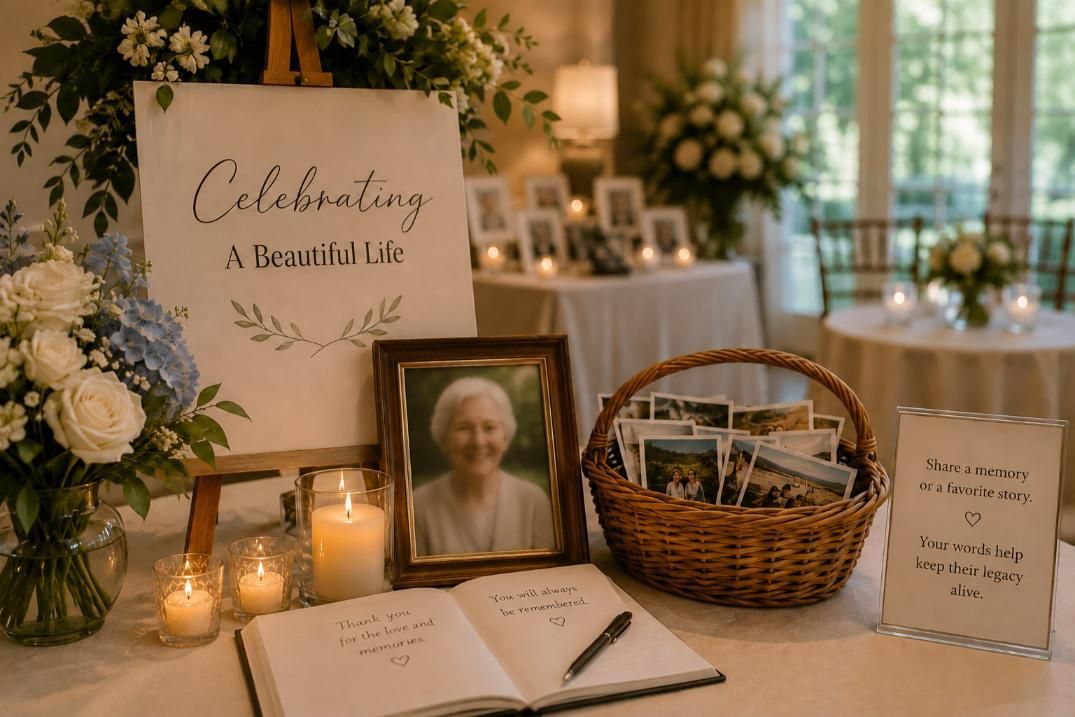
Explain where the gathering will take place, who may attend, and what the child might hear or see. Families considering personalized memorial choices that welcome children gently can offer a small role without making participation mandatory. Let the child know which trusted adult can leave the room with them whenever they need a break.
What Helps Children Feel Included?
Involvement should match the child’s comfort and relationship with the person who died. Some children may want to draw a picture, select a photograph, choose music, or share a brief memory. Others may prefer to sit with a familiar adult and observe. We should explain that either choice is acceptable and that feelings can change during the gathering.
When Might Extra Support Help?
Most grief reactions shift over time, but families should seek added support when distress remains intense, disrupts daily life, or raises safety concerns. A pediatrician, school counselor, faith leader, or licensed grief professional can help us understand what a child needs. We can also keep routines predictable and avoid forcing conversations before the child is ready.
Grief changes as children grow, so one conversation is rarely enough. We can keep checking in, naming feelings, and inviting memories without demanding a particular response. Donohue Funeral Home offers age-appropriate guidance for children experiencing grief to help families continue with honesty and care. When you need cremation services in Upper Darby, PA, call (610) 449-0300 for compassionate support with arrangements and child-sensitive memorial planning. Support can continue after the gathering as new questions arise. We will listen, explain suitable options, and help create a respectful experience where younger relatives can remember, ask questions, and feel supported at their own pace.